

Technical Blog
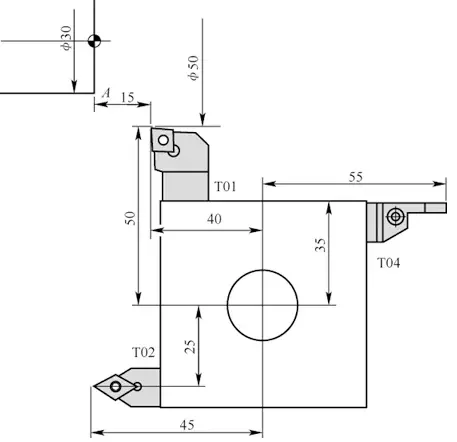
Tool Compensation Function for CNC Lathe Machining
In the process of NC programming, in order to make the programming work more convenient, the tip of the NC tool is usually imagined as a point, which is called the tool point or tool tip point.
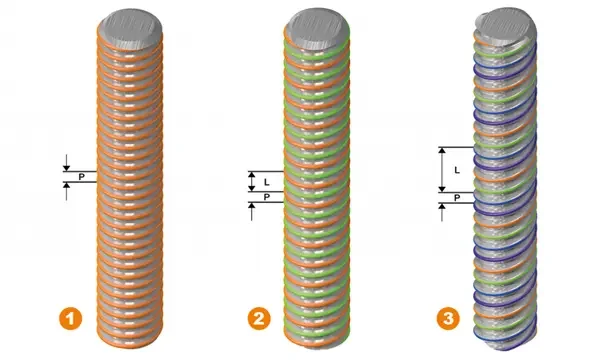
What distinguishes a single-start thread from a multi-start thread?
Lead screws are mechanical components that transform rotary motion into linear motion.
Lead screws are made of a cylindrical round thread that is spiraled into a screw shape by a single helix throughout its entire length. The threads may have, for instance, a metric thread form, a trapezoidal thread form, or the igus® dryspin® geometry. The dryspin® thread has a high helix thread-like structure.
Let's examine what single threads and multiple start threads are.
Principles for Selecting Cutting Tools
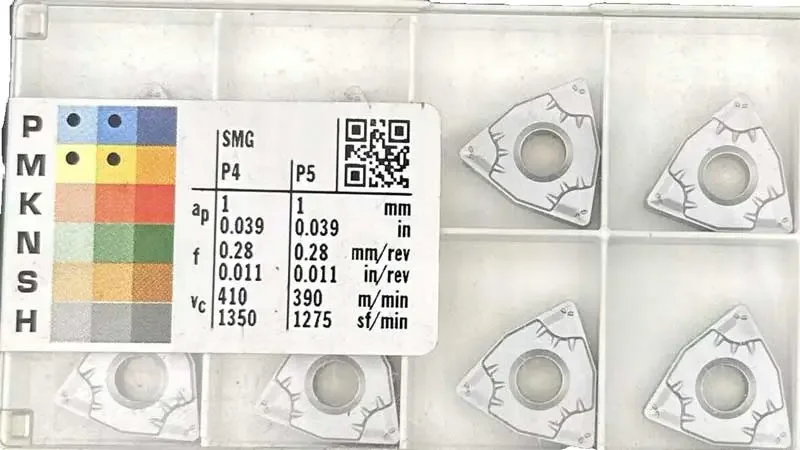
Any time a tool stops working, production halts. However, not all tools have the same level of importance. The tool that is used for the longest cutting duration has a greater impact on the production cycle, so its performance should be prioritized under equal conditions. Special attention should also be given to tools used for processing key components and those with the strictest tolerance requirements. Additionally, tools with poor chip control, such as drills, grooving tools, and threading tools, should be closely monitored because poor chip control can cause tool wear or machine downtime.
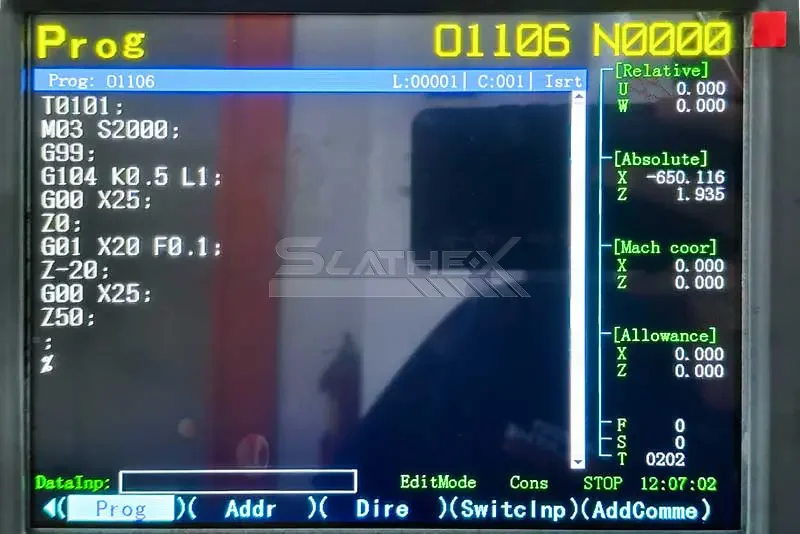
Chip-Breaking Function of the Smartbrain CNC System
During the machining process, this function controls the flow and breaking of chips through system codes, creating an effective chip-breaking process.
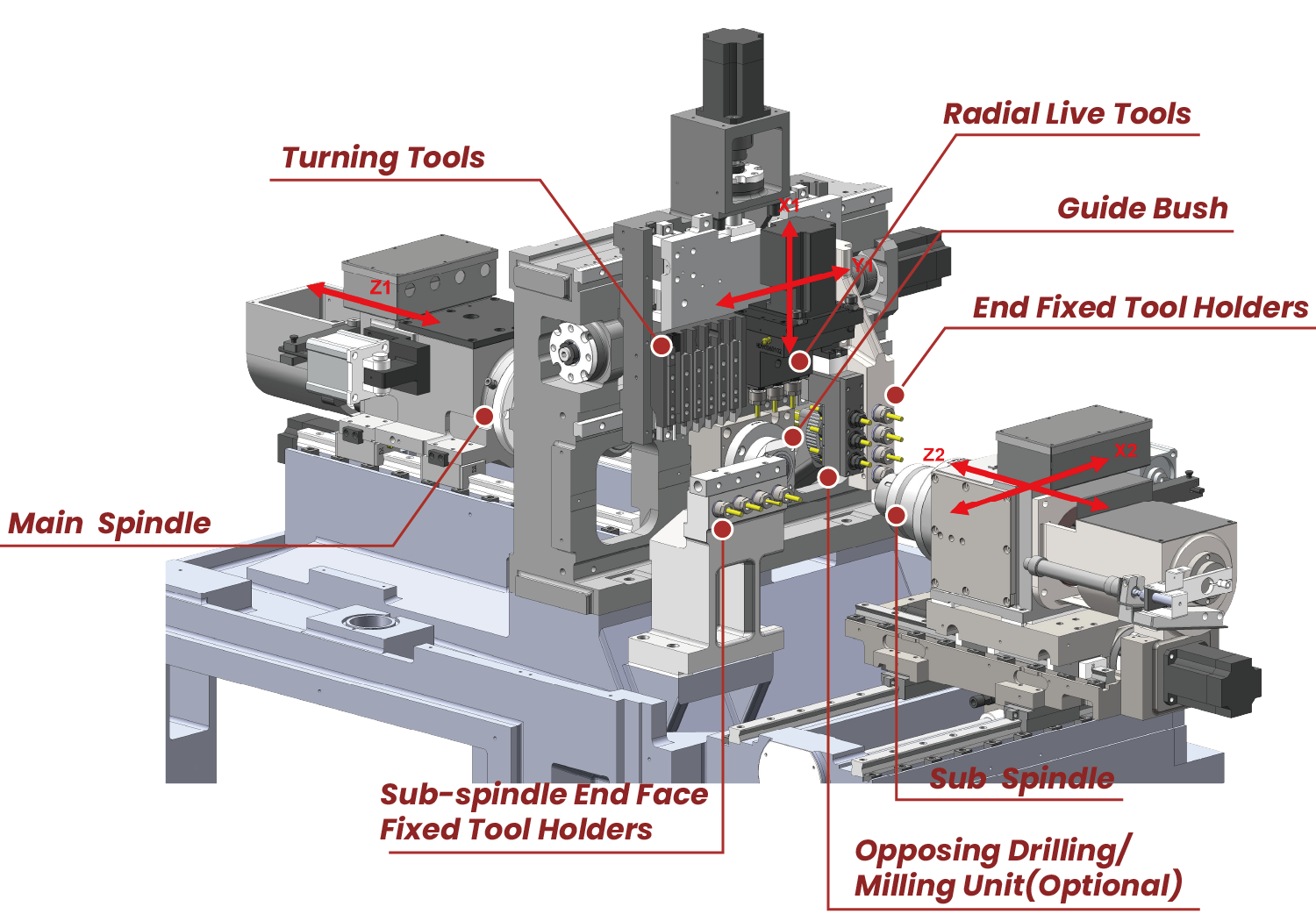
What is a Swiss Type CNC Lathe?
Swiss type CNC machine, also known as a Swiss-type lathe or Swiss automatic lathe, is a high-precision machine tool designed for machining small, complex parts. It has gained recognition in the manufacturing industry for its outstanding precision machining capabilities and efficiency.
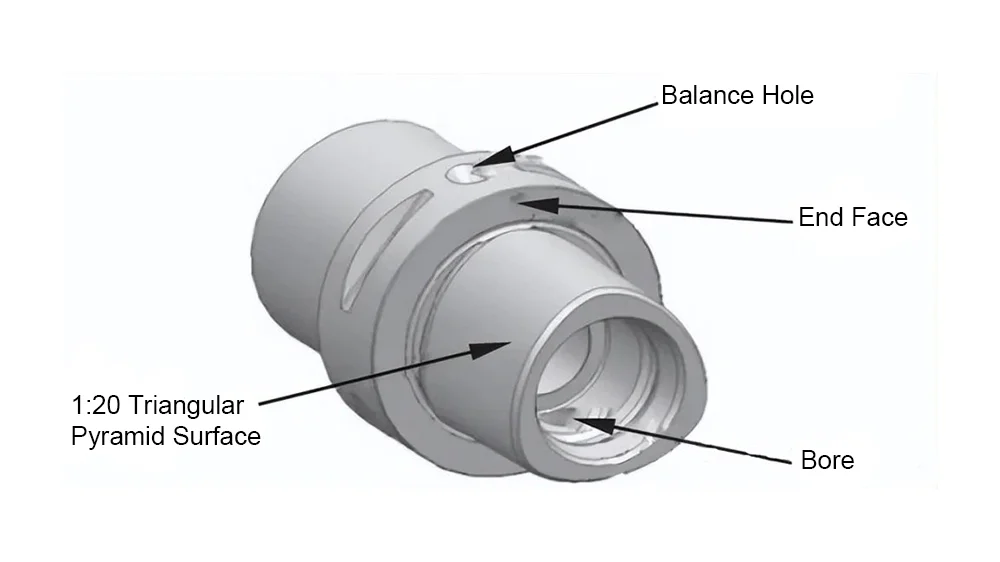
What is capto tool holder?
Capto is a double-sided locating hollow tapered tool holder, available in seven models: C3, C4, C5, C6, C8, C8x, and C100, each corresponding to a different diameter. The cross-section of the Capto tool holder features three evenly spaced curved surfaces, with three convex edges distributed uniformly at 120° intervals around the circumference. This design maximizes contact surface area, minimizes stress concentration, reduces deformation and wear, ensures more even force distribution, allows for greater torque transmission, and enhances precision in positioning.
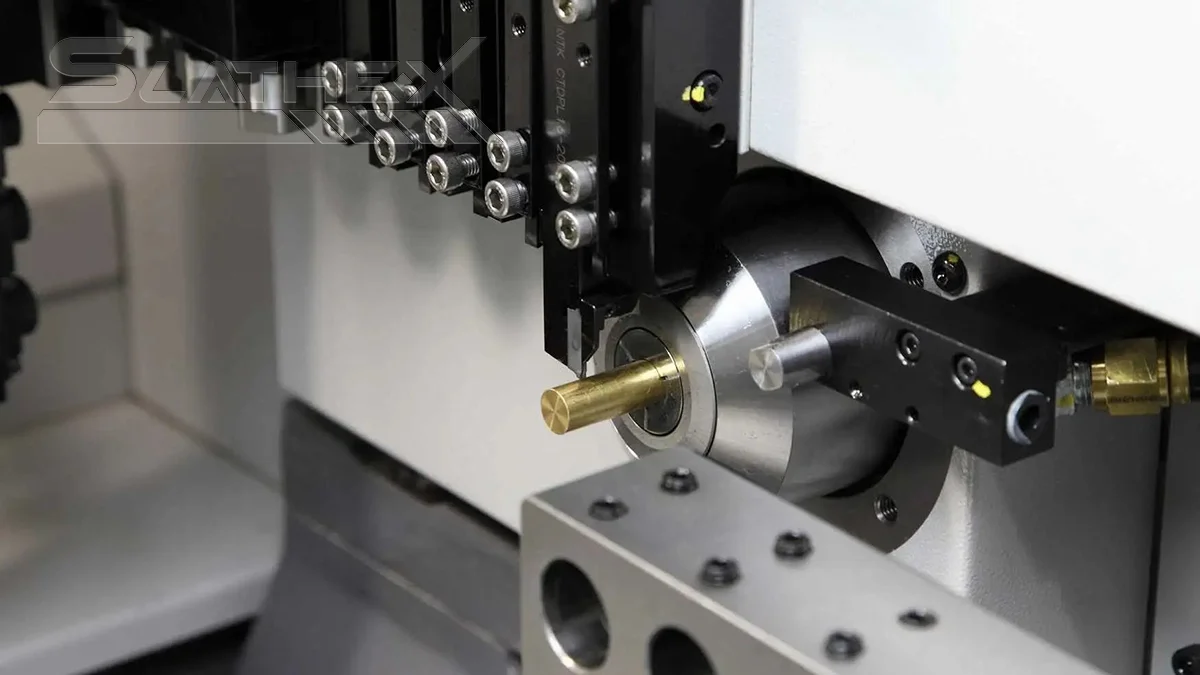
What is the difference between Swiss type and Fixed type CNC lathe?
A Swiss CNC machine, also known as a Swiss type lathe or a Swiss automatic lathe, is a sophisticated precision manufacturing machine capable of quickly and correctly producing exceedingly small parts. Belong to the precision processing equipment, also has a turning, milling, drilling, tapping, boring, carving, etc.
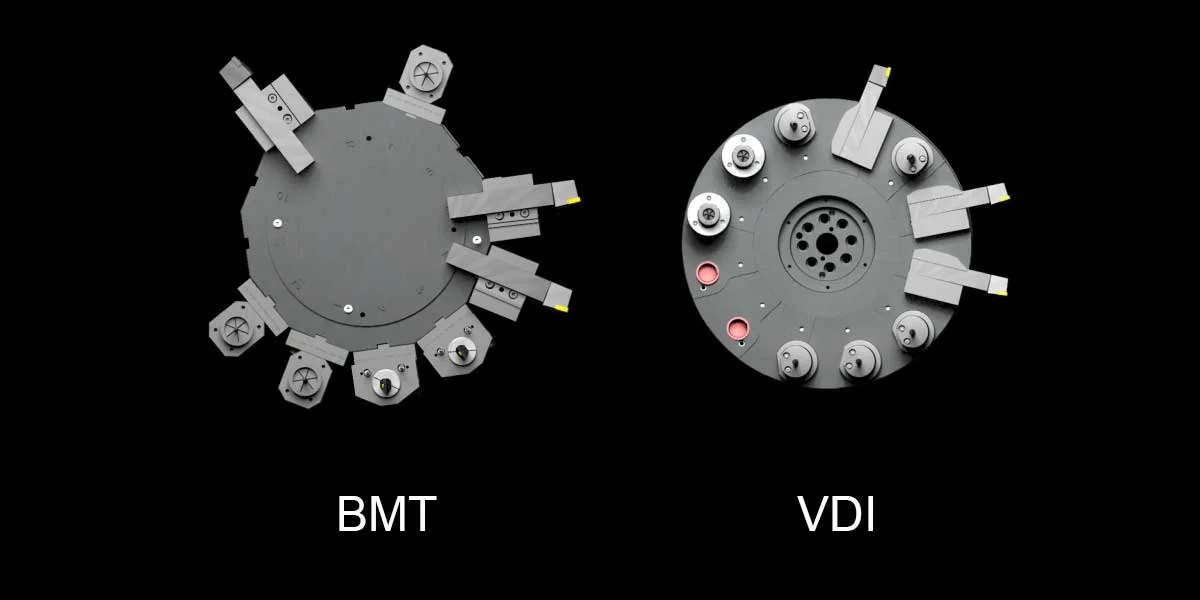
Differences Between BMT and VDI Turrets
In the field of CNC machine tools, BMT (Base Mount Turret) and VDI (Verband Deutscher Ingenieure) are two common types of turrets. They differ in terms of process, structure, precision, and operation, each suited to different machining needs. This article will provide a detailed comparison of these two turret types.
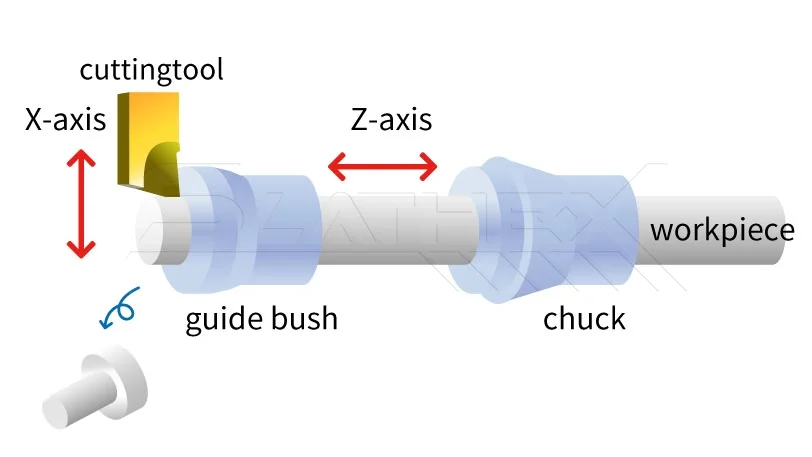
A Comparative Analysis of Swiss-Type and Gang-Type CNC Lathes: Processing Examples
Swiss-type and gang-type CNC lathes are two distinct machine tools widely used in the manufacturing industry. While both offer unique advantages, they differ in terms of design, capabilities, and applications. This essay aims to provide a comprehensive comparative analysis between Swiss-type and gang-type CNC lathes, with a focus on processing examples to highlight their differences and advantages in various machining applications.
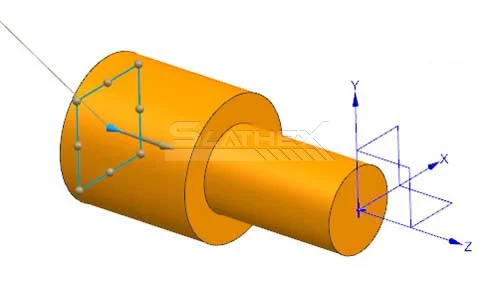
Plane Definitions of G17, G18, and G19
These three commands restrict tool movement to the specified plane, thereby preventing incorrect plane selection during machining, which could otherwise lead to tool collision or workpiece damage. Therefore, using the G17, G18, and G19 codes is essential for ensuring machining quality and safety.
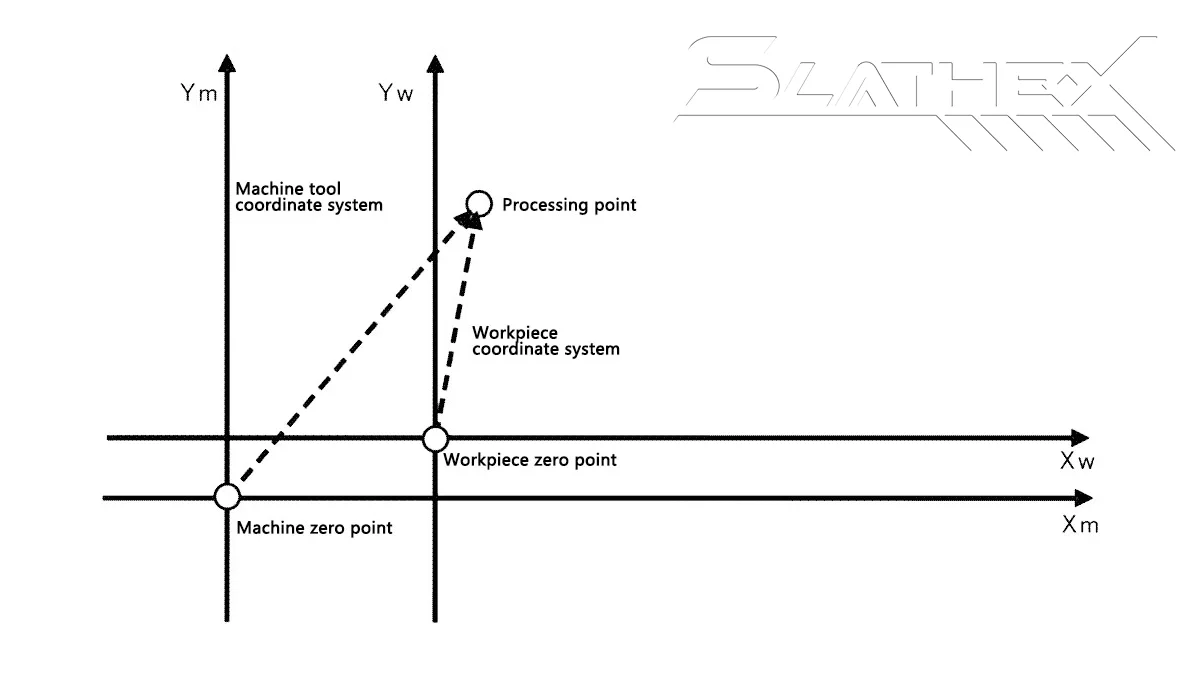
CNC machine programming origin and programming coordinate system
CNC machine tools have CNC device, machine operators, process programmers three different application objects, thus resulting in three coordinate systems: machine tool coordinate system (for the bottom of the CNC device coordinate system), the workpiece coordinate system (for the middle of the machine operator coordinate system), lathe programming coordinate system (for the upper level of the process programmer coordinate system). Correct selection and determination of the three coordinate systems, understanding the relationship between the three is very necessary for CNC machining and CNC programming.
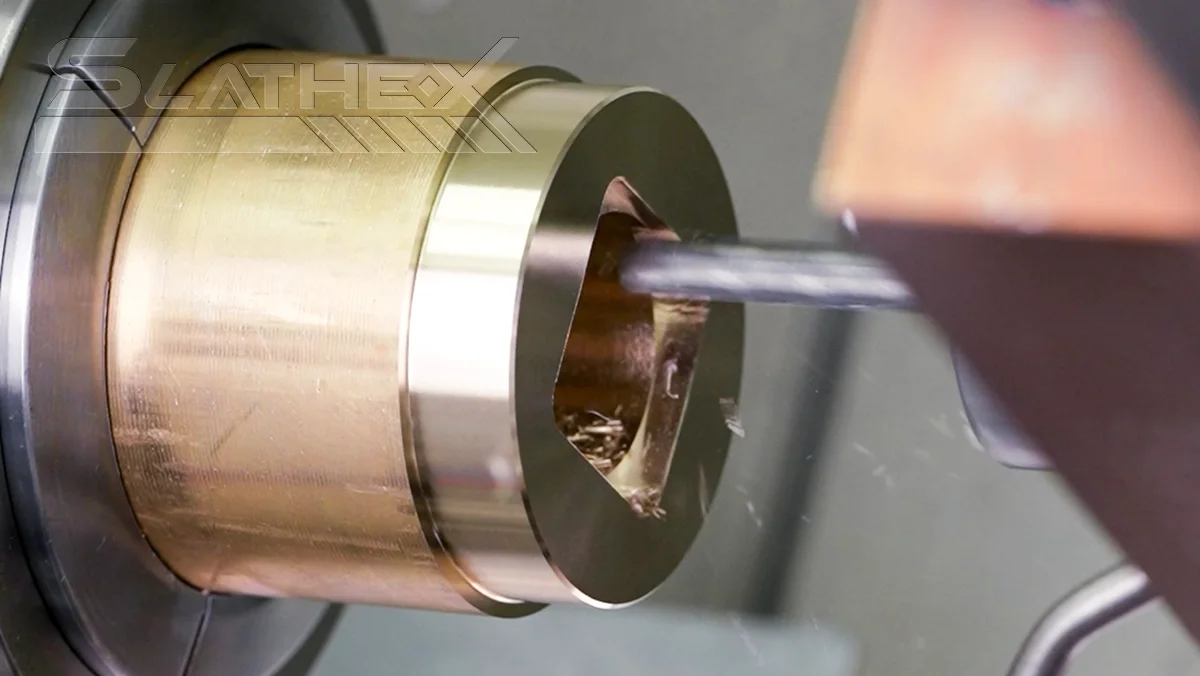
C Axis Functionality In CNC Lathe
The C-axis functionality in CNC lathes provides significant advantages in terms of contouring, multi-axis machining, accuracy, surface finish, thread cutting, live tooling operations, reduced setup time, and increased versatility. It enables complex machining operations and enhances the overall capabilities of the lathe, making it a valuable tool for manufacturers seeking advanced machining capabilities.
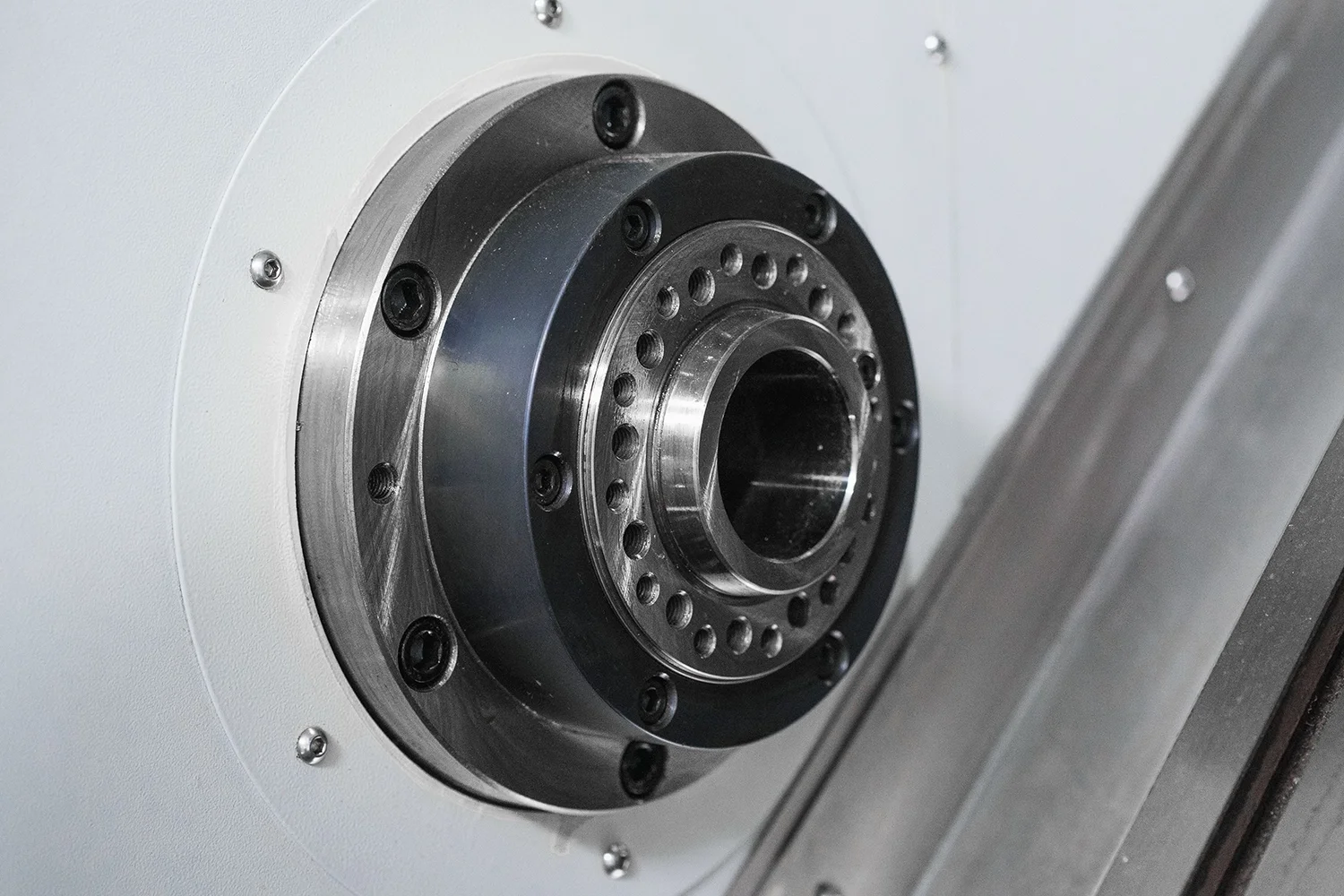
Lathe Spindle Nose Identification Chart
To establish the type of spindle nose you have, look through the diagrams below. Make the necessary measurements after analyzing the related chart. For your chuck or adapter plate, choose the spindle nose size.